Introduction to Strength Training for Osteoporosis & Bone Health
Being diagnosed with osteopenia or osteoporosis can feel worrying. Many women are often told to “be careful” with exercise, or to avoid lifting weights altogether. However, avoiding movement is not the answer. Research now shows that appropriately supervised strength training and controlled impact exercises can play an important role in supporting bone health.
At F.E.M Health & Fitness, I coach women using structured strength training designed to safely load the areas most affected by bone loss, particularly the hips and spine, while building strength, balance and confidence.
Evidence-Based Strength Training
Research such as the LIFTMOR Trial demonstrated that supervised high-intensity resistance and impact training can significantly improve strength and support bone density in postmenopausal women with low bone mass. The key is not simply lifting weights, it is lifting well, with correct technique and appropriate supervision.
Training sessions focus on:
- Precise, well-coached technique
- Gradual and appropriate progression
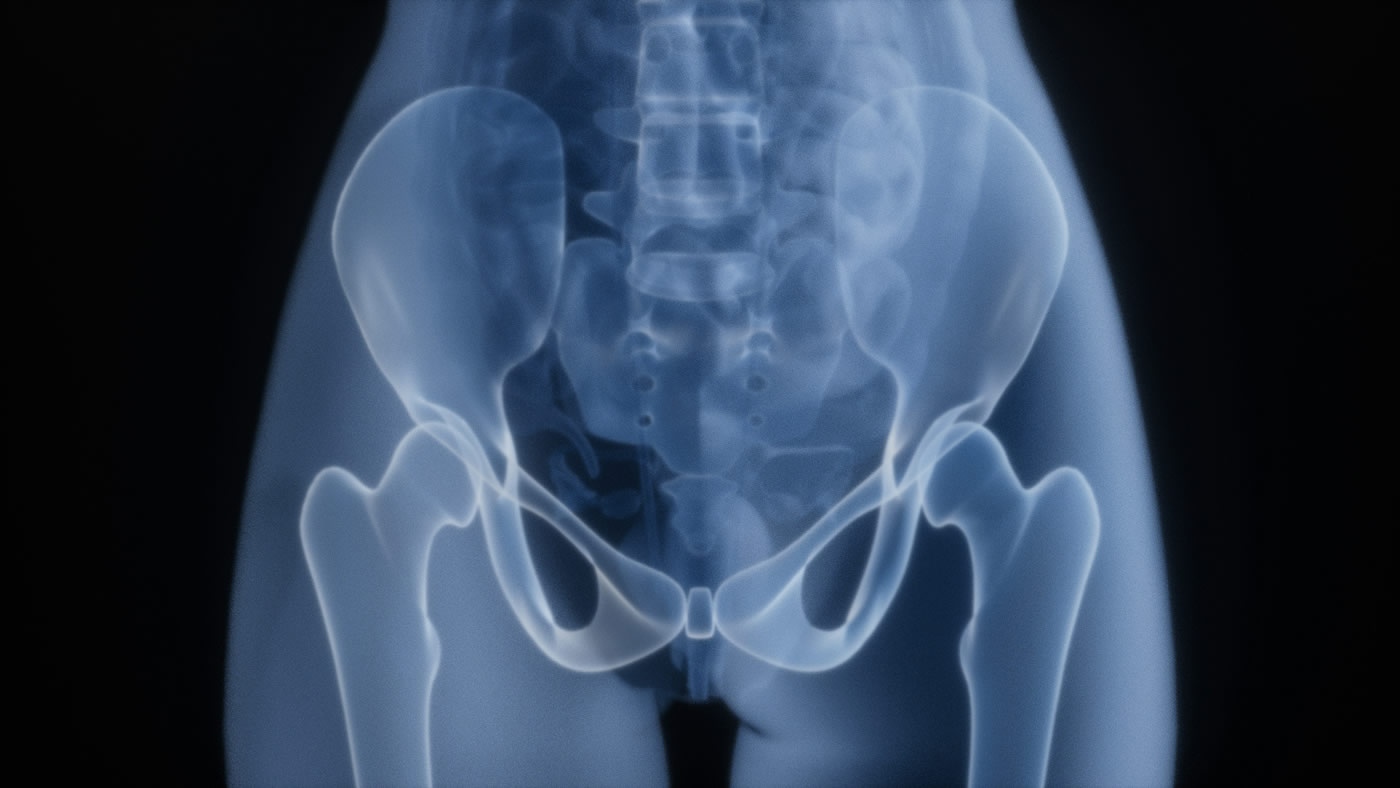
- Exercises chosen for bone loading at the hips and spine
- Building strength safely and confidently
The aim is to provide the type of mechanical loading stimulus bones need to remain strong.
The Key Strength Movements
Training is built around several fundamental strength movements known to effectively load the skeleton and develop overall strength.
These include:
- Squat patterns – strengthening the legs and hips
- Deadlift / hinge patterns – strengthening the posterior chain and spine
- Overhead press patterns – supporting shoulder and upper-body strength
- Pulling movements – building upper-back strength and posture
- Loaded carries – improving core stability and spinal support
Where appropriate, controlled impact exercises such as small jumps or landing drills may also be introduced to provide additional stimulus for bone strength.
All exercises are taught progressively and adapted to the individual.
Menopause and Bone Health
Hormonal changes during perimenopause and menopause can accelerate bone loss. This is why strength training becomes particularly important during midlife.
Developing and maintaining muscle strength can help to:
- Support bone health
- Improve balance and coordination
- Reduce fall risk
- Maintain independence as we age
Strength training also supports posture, confidence and everyday movement capacity.
A Safe and Individual Approach
Every client begins with a consultation to discuss:
- Medical history
- Bone density diagnosis (if applicable)
- Previous fractures or injuries
- Current activity levels
- Personal goals
In some situations, medical clearance from a GP or healthcare professional may be recommended before beginning progressive strength training. Programmes are always individualised and progressed gradually.
The goal is not simply stronger muscles, but stronger bones, improved confidence and long-term independence.
Who This Coaching Is For
This coaching approach is particularly suitable for women who:
- Have been diagnosed with osteopenia or osteoporosis
- Want to begin strength training safely
- Feel unsure about what exercises are safe in the gym
- Want guidance from a coach who understands female physiology
- Want to improve strength, balance and confidence
Is Strength Training Safe with Osteoporosis?
When strength training is properly coached and progressed appropriately, it can be a safe and beneficial form of exercise for many women with low bone density. Exercise selection, technique and gradual progression are essential. Training is always adapted to the individual to ensure it remains appropriate for their health status, experience and confidence level.
Begin Building Strength Safely
Strength training is one of the most powerful tools available for supporting health, strength and independence as we age.
If you would like support beginning strength training safely and confidently, I would be happy to help.
Fiona Mullins
F.E.M Health & Fitness
Female Empowerment Movement
