Bringing a child into the world is one of the most physically and emotionally demanding experiences a woman can go through. Pregnancy, childbirth, and the early months of motherhood place enormous pressure on the body — often leaving women feeling weak, tired, unbalanced, or disconnected from their physical selves.
Postnatal strength training plays a vital role in helping women rebuild their bodies safely and confidently. It supports the recovery process, strengthens weakened muscles, improves posture, and restores the physical resilience needed for motherhood and everyday life.
Why the Body Needs Rebuilding After Childbirth
During pregnancy and childbirth, the body undergoes significant changes, including:
1. Core and Abdominal Weakeness
The abdominal muscles stretch to make room for the growing baby, which can lead to muscle separation and reduced core stability.
2. Pelvic Floor Changes
The pelvic floor softens under hormonal influence and is placed under pressure during birth.
3. Postural Shifts
Breastfeeding, carrying babies, and pregnancy weight change posture and can cause discomfort.
4. Joint Laxity
Pregnancy hormones increase joint mobility, making stability training essential.
5. Reduced Muscle Strength
Muscles weaken due to reduced activity levels and fatigue during pregnancy and new motherhood.
Benefits of Postnatal Strength Training
1. Rebuilds Core Strength and Stability
Strength training targets the deep core muscles essential for posture, alignment, and pain reduction.
2. Supports Pelvic Floor Health
Correctly designed programmes integrate pelvic floor engagement with breathing techniques.
3. Restores Posture and Reduces Pain
Strengthening the glutes, back, and upper body helps counteract rounded posture.
4. Builds Everyday Functional Strength
Motherhood requires constant physical effort. Strength training builds the necessary strength and resilience.
5. Supports Mental and Emotional Health
Strength training boosts endorphins, improves sleep, and enhances confidence.
6. Helps Manage Weight and Body Composition
Strength training increases metabolism and supports healthy fat loss.
Safe Postnatal Strength Training
Early exercises may include:
- Deep core breathing
- Pelvic tilts
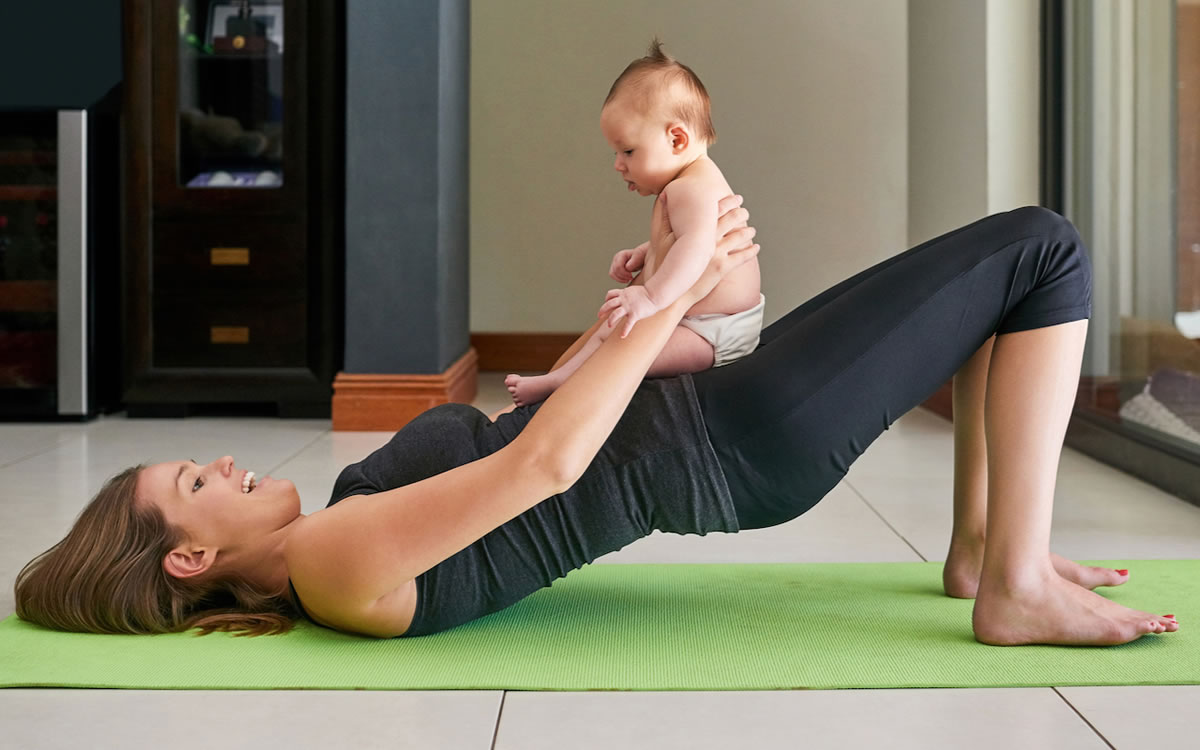
- Glute bridges
- Modified planks
- Bodyweight squats
- Resistance band rows
How F.E.M Health & Fitness Supports Postnatal Women
I create personalised postnatal programmes that focus on:
- Pelvic floor recovery
- Core stability and abdominal rebuilding
- Functional strength for motherhood
- Posture improvement
- Fatigue-friendly programming
- Confidence-building support
Final Message
Postnatal recovery is not about “getting your body back.” It’s about rebuilding strength, reconnecting with your body, and supporting yourself through the demands of motherhood.
